
Water heaters talk. Popping, rumbling, hissing, banging, and whistling each point to a different underlying condition — and knowing which sound you are hearing tells you whether you can relax, schedule a visit, or act today. This guide decodes the most common water heater noises we hear on repair calls across Lynnwood.
Why is my water heater popping or rumbling?
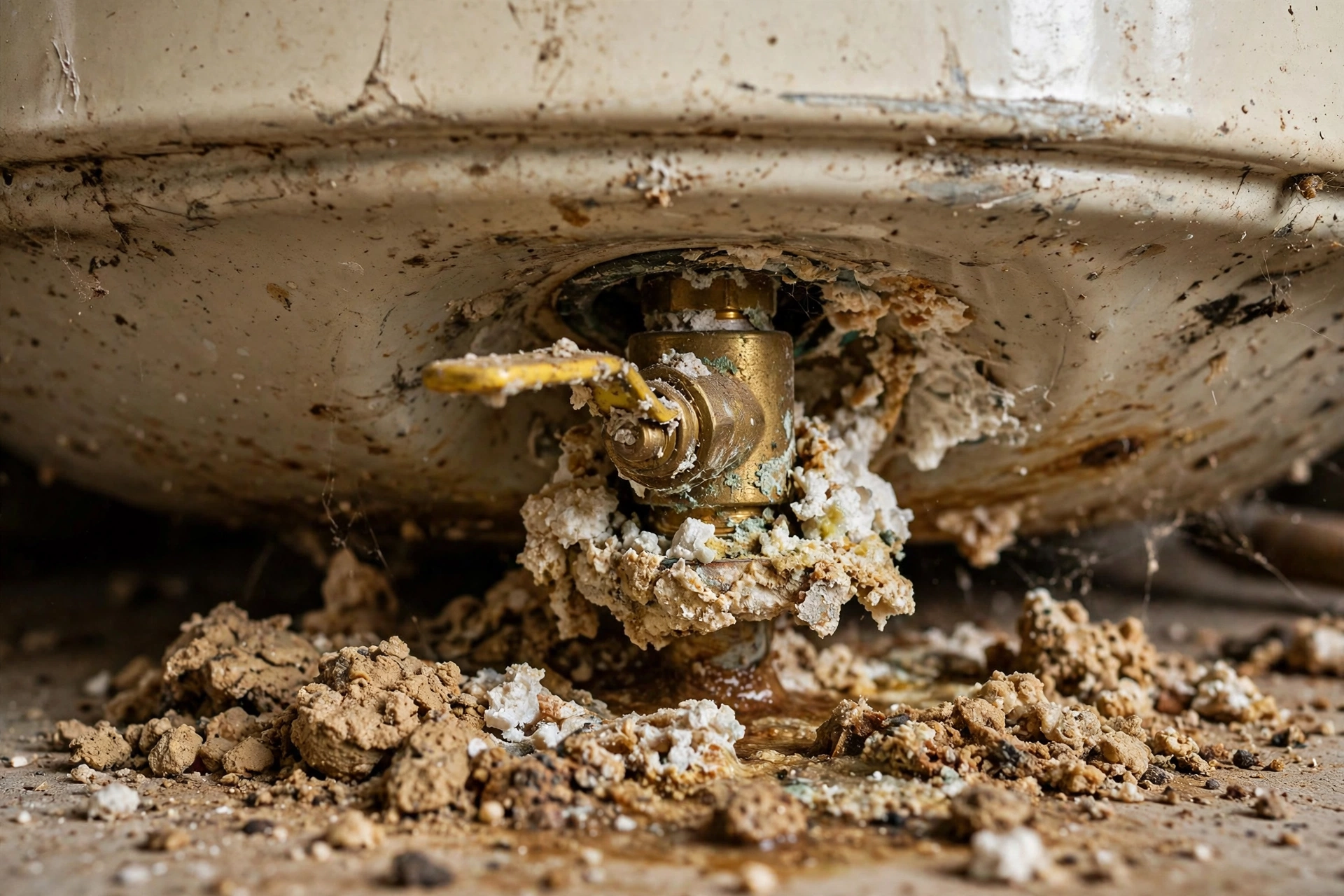
Short answer: sediment. This is the single most common water heater noise. Minerals in Lynnwood's water settle on the tank floor over time, forming a crusty layer. Water trapped under that layer boils, and the steam bubbles escaping through the sediment make the popping, rumbling, or “kettling” sound — like a kettle coming to a boil.
A little popping in an older unit is common and not an emergency. But sediment forces longer heating cycles, raises energy bills, and overheats the tank floor, which accelerates wear. If the rumbling is new, loud, or getting worse, it is worth having checked — especially on a gas water heater, where sediment sits directly above the burner.
What does a hissing sound mean?
Hissing usually means water meeting something very hot — or pressure escaping. The common causes:
- Condensation: On a cold tank in a cool garage, condensation can drip onto the hot burner and hiss. This is often harmless and stops once the tank warms up.
- A leak dripping onto the burner or element: If the hissing is constant and you see moisture, a fitting, valve, or the tank itself may be leaking. Check for water around the base.
- T&P relief valve discharging: The temperature-and-pressure relief valve hisses when it releases excess pressure. Occasional brief discharge can be normal; frequent or continuous discharge means excessive pressure or temperature — get it checked promptly.
Constant hissing with visible water deserves same-day attention. See our guide on leaking water heater repair for what to check first.
What causes banging or knocking pipes?
Banging — especially when hot water taps shut off — is usually water hammer: a pressure shockwave in the pipes, not the heater itself. It is common in homes with high water pressure or fast-closing valves (like washing machines).
Knocking from inside the tank is different: chunks of hardened scale breaking loose and striking the tank walls as water circulates. That points to heavy sediment — the same problem behind rumbling, further along. Either way, persistent banging stresses pipes, joints, and the tank. A pressure check and an assessment of the sediment level will tell you which fix applies.
Why is my tankless water heater whistling or screeching?
Tankless units make different noises than tanks. Whistling or screeching usually means restricted water flow:
- A clogged inlet water filter straining flow through the unit.
- Scale narrowing the heat exchanger passages.
- An undersized or partially closed valve creating a bottleneck.
Tankless whistling rarely fixes itself and usually gets worse as scale builds. If your unit is also showing error codes or fluctuating temperatures, see our tankless water heater repair page — descaling and filter service resolve most of these cases.
Which water heater noises are urgent?
Call promptly — today, not next week — if you hear:
- Hissing with visible leaking around the tank or fittings.
- Any noise plus the smell of gas — leave the house and call your gas utility first, then us.
- Loud banging that started suddenly, especially with pressure fluctuations at taps.
- T&P valve discharging continuously — that valve is a safety device doing its job; find out why it is working so hard.
Not urgent, but schedule a visit: steady popping or rumbling (sediment), mild whistling from a tankless unit, occasional pipe ticking as things heat up. These are “soon” problems, not “now” problems — but ignoring them for months turns cheap fixes into expensive ones. Call 8665723596 and describe the sound; we will tell you which category you are in.
What will a technician do about a noisy water heater?
A noise diagnosis is straightforward. We listen to the unit, check water pressure, inspect the T&P valve and fittings for leaks, and assess sediment level — often by checking the drain valve flow and the unit's age and history. For electric units we also test the elements, since a failing lower element can contribute to sediment-related noise.
Most noise complaints end in one of three outcomes: reassurance (normal expansion sounds), a flush and service to address sediment, or a component repair. Catching sediment noise early is one of the cheapest interventions in water heating — a unit that gets attention at the first rumble often runs quietly for years afterward. Either way you will know exactly what is happening inside that tank. The Heater Medics serves all of Lynnwood with same-day appointments — call 8665723596.
Frequently Asked Questions
Why is my water heater making a popping noise? Popping is almost always sediment: minerals on the tank floor trap water, which boils and bubbles through the sediment layer. It is common and not an emergency, but it wastes energy and wears the tank.
Is a rumbling water heater dangerous? Rumbling itself is not immediately dangerous, but it signals sediment buildup that overheats the tank and shortens its life. Have it assessed before it causes real damage.
What does hissing from a water heater mean? Hissing usually means water hitting a hot surface — condensation, a leak dripping on the burner, or the T&P relief valve discharging. Constant hissing with visible water needs prompt attention.
Why do my pipes bang when the water heater runs? Banging when taps close is usually water hammer (pressure shock in pipes). Knocking from inside the tank itself usually means hardened scale breaking loose — a sediment problem.
Why is my tankless water heater whistling? Whistling in a tankless unit typically means restricted flow — a clogged inlet filter, scale in the heat exchanger, or a partially closed valve. Descaling and filter service usually resolve it.
Should I turn off a noisy water heater? For loud banging, continuous hissing with leaks, or any gas smell, shut it down (and leave for gas smells). For mild popping or rumbling, you can keep using it while you schedule a visit.