
01
Gas tank water heaters
Pilot and thermocouple issues ($100–$325) are the bread and butter. Gas valve failures ($150–$550) cost more because of the part price plus mandatory leak testing. Typical total: $200–$600.
Real ranges for the repairs we perform most often. Every range below includes parts and labor for a standard residential unit — not a teaser price that doubles on the invoice.
Ranges reflect standard residential units in the Lynnwood area and include parts and labor. Commercial systems, difficult access, and after-hours calls can shift the number — which is exactly why you get a written quote before we begin.
The failed part matters most. A thermocouple is a $20 part and a 30-minute job; a gas control valve is a $200+ part that demands leak testing and code verification afterward. Same truck, same technician — very different invoices. That is why honest companies diagnose first and quote second, never the reverse.
Labor and access come next. A water heater sitting in an open garage is a fast job. One wedged into a tight closet, an attic, or a crawlspace adds real time — and time is what labor charges. Draining a 50-gallon tank before a repair also adds labor that a simple thermostat swap does not need.
Unit age and parts availability swing the price. Parts for a 6-year-old Rheem or Bradford White are on every supply-house shelf. Parts for a 16-year-old off-brand unit may be special-order — or discontinued entirely, which can turn a $150 repair into a replacement conversation. Age is also the biggest predictor of whether a repair is worth doing at all (more on that below).
Gas, electric, and tankless are different price tiers. Electric tank repairs are usually the cheapest: elements and thermostats are inexpensive and quick to swap. Gas repairs add safety testing and pricier valves. Tankless units sit a tier higher — the components (heat exchangers, sensors, control boards) simply cost more, and fewer technicians are qualified to work on them.
Timing affects the bill too. A scheduled repair during business hours is billed at standard rates. A 2 AM emergency call carries an after-hours dispatch fee — which we disclose upfront before rolling. If your problem can safely wait for a same-day visit, we will tell you so and save you the fee.
What owners of each system type most often pay — and why.
01
Pilot and thermocouple issues ($100–$325) are the bread and butter. Gas valve failures ($150–$550) cost more because of the part price plus mandatory leak testing. Typical total: $200–$600.
02
Elements and thermostats ($100–$350 each) are cheap parts and quick swaps, which keeps bills down. Most electric repairs land between $150–$500 all-in.
03
Descaling runs $75–$300; component repairs (sensors, valves, heat exchangers) run $300–$1,300. Higher parts cost, more specialized labor — budget accordingly.
The exact process, so you know what happens before it happens.
Call & Describe
Tell us the symptoms — no hot water, leak, strange noise, error code. We will give you an honest ballpark range and any diagnostic fee upfront.
On-Site Diagnosis
Our technician tests the unit properly — elements, thermostats, gas components, valves — and finds the actual failed part, not a guess.
Written Quote, You Approve
You get the exact total in writing before any work starts. Approve it, decline it, or ask questions — zero pressure either way.
Repair & Verify
We complete the repair, test everything — including safety checks on gas units — and the invoice matches the quote. Every time.
Honest answer: not every water heater should be repaired. The industry rule of thumb is the 50% rule — if a repair costs more than half the price of a new unit, replacement deserves serious consideration. Age matters too: conventional tanks typically last 8–12 years, tankless units up to 20. A $400 repair on a 4-year-old tank is smart money; the same repair on a 13-year-old tank usually is not.
And one hard truth: a ruptured tank cannot be repaired — by us or anyone. Once the steel shell fails, patching is unsafe and no reputable company will try. If that is your situation, we will shut everything down safely, explain exactly what happened, and give you straight facts for your next step. Our repair-vs-replace guide walks through the full decision framework.
We are a repair company — we do not sell or install new units. That is actually your advantage here: when we say a unit is worth fixing, there is no sales commission behind the advice.
Whether you hire us or someone else, watch for these warning signs. No written quote: a verbal “around $300” that becomes $550 on the invoice is the oldest trick in the book — insist on the number in writing before work starts. Pressure tactics: “this price is only good if you decide right now” is a sales line, not a repair practice. A real diagnosis does not expire in ten minutes.
Scare selling: be skeptical of any technician who declares your tank “about to explode” without showing you why — the TPR valve exists precisely to prevent that, and fear is a lousy diagnostic tool. Vague parts: ask which part is being replaced and why it failed; “it needed a tune-up” is not an answer. And rock-bottom quotes deserve the same skepticism as sky-high ones — a $79 “any repair” ad usually means the diagnosis happens after you are committed, when the real number appears.
Same honest quote process in every neighborhood we serve — no “zip-code pricing,” no games.
Alderwood Manor
Older tanks here often need element and anode work — straightforward repairs with honest mid-range pricing.
Lynnwood City Center
Condos and apartments where access can be tight — we quote the access time upfront, never after.
Meadowdale
Family homes with standard tank units — most repairs here land squarely in the $150–$500 band.
Snohomish County Airport Area
Light commercial systems with higher-demand parts — quoted per unit, always in writing first.
The exact total
Parts, labor, and any fees — one number, in writing, before we start.
The diagnosis behind it
What failed, why it failed, and what we are replacing — in plain language.
Your options
If repair is borderline, we will say so and explain the trade-offs honestly.
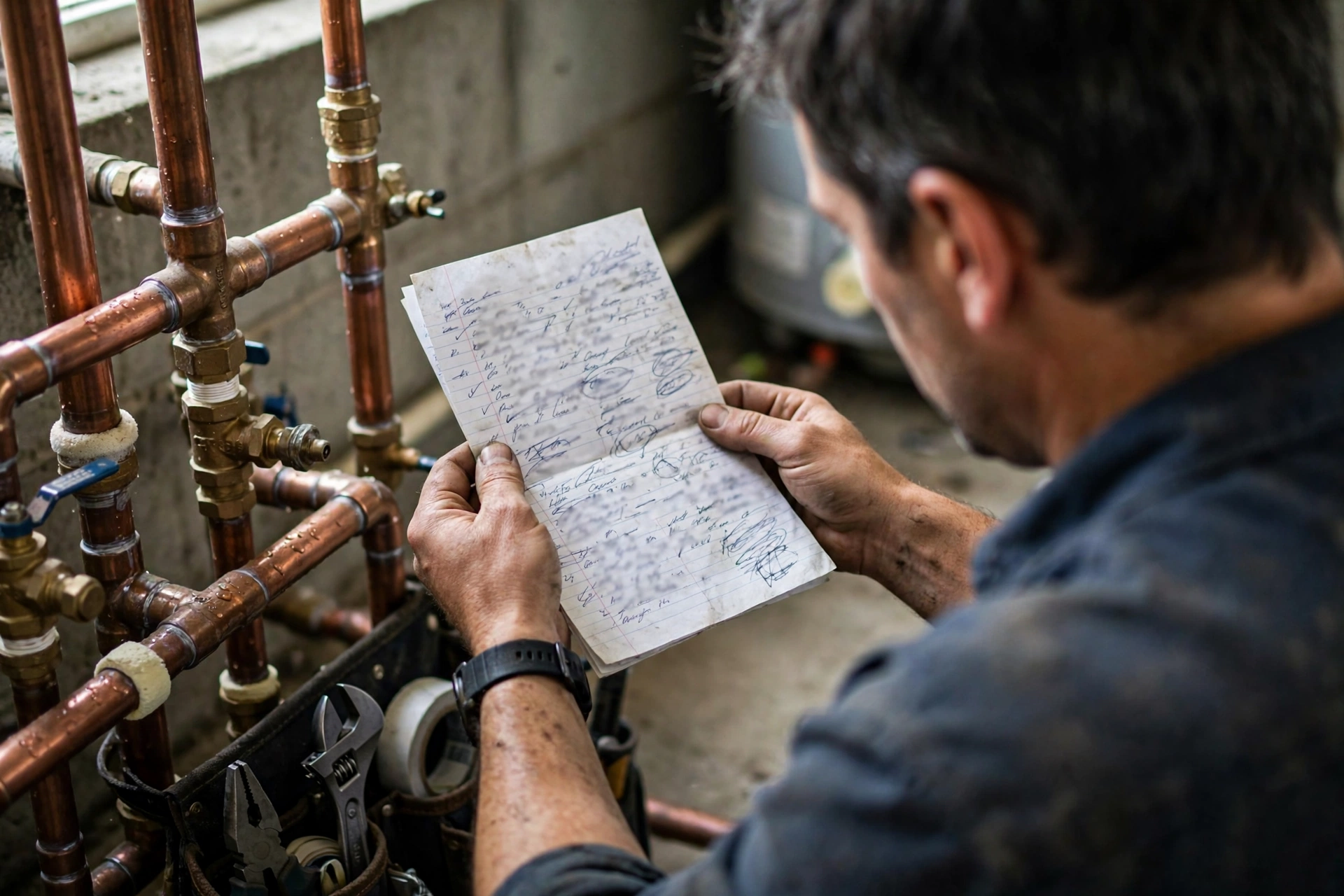
Anyone can promise “fair prices.” Here is what that actually looks like in practice.
Written quote before work
The number on the quote is the number on the invoice. If anything changes mid-repair, you approve it first.
No commission-driven upsells
Our technicians diagnose — they do not sell. If your $180 thermostat fix is all you need, that is all you will hear about.
Quality parts, fair margins
We install parts we would put in our own homes — priced fairly, not marked up to fund a coupon campaign.
Repair-only, so advice is unbiased
We do not sell new units, so “you should replace it” is never a sales pitch — it is an honest assessment.
Upfront pricing — you approve the exact repair cost before any work begins.
Same-day service in Lynnwood — call before noon and we aim to be there today.
All systems & buildings — gas, electric and tankless units; residential and commercial.
Straight answers about pricing, timing, and what to expect — the questions Lynnwood homeowners ask us most.
After-hours problem? See how emergency pricing works and when it is worth it.
View Emergency Water Heater RepairRepair quote feeling steep? Our honest framework helps you decide.
View Repair vs. Replace GuideGas repairs need specialist handling — safe, code-compliant fixes in Lynnwood.
View Gas Water Heater RepairElements and thermostats are the cheapest fixes we do — usually same-visit.
View Electric Water Heater RepairFor reliable water heater repair services in Lynnwood, reach out to us. We are available 24/7 for your convenience and respond quickly to all inquiries.
Call now for same-day service
Talk directly to a water heater pro — no waiting on hold. 24/7 emergency service available.
8665723596Phone
8665723596Address
2250 186th St SW #109, Lynnwood, WA 98037, USA
Hours
Mon–Fri: 7AM – 7PM
Sat: 8AM – 4PM
Sun: Emergency Only
24/7 Emergency Available