Understanding Bosch Water Heater Repair in Lynnwood
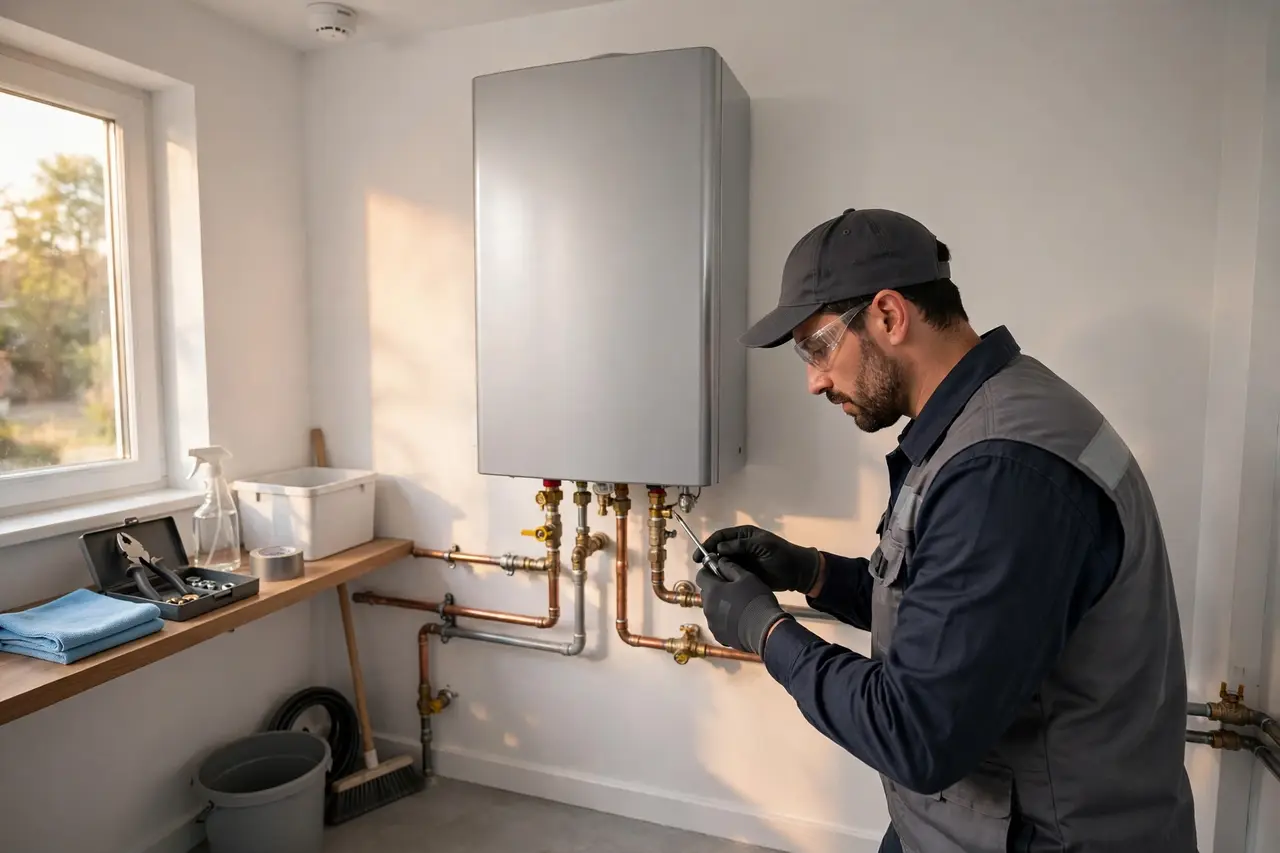
A Bosch tankless heater works nothing like a storage tank. There is no reservoir of hot water waiting; a flow sensor tells the unit water is moving, the burner fires, and a heat exchanger warms the water as it passes through. That design is efficient, but it means the usual tank diagnostics do not apply. When a tankless unit underperforms, the technician has to think in terms of flow rate, burner output, gas supply, and heat-exchanger condition all at once. A unit that cannot keep up on a cold morning, for example, may be perfectly healthy but starved of gas, choked with scale, or simply asked for more hot water than its flow capacity allows at winter inlet temperatures. Our tankless water heater repair approach starts by separating those causes before any part is touched.
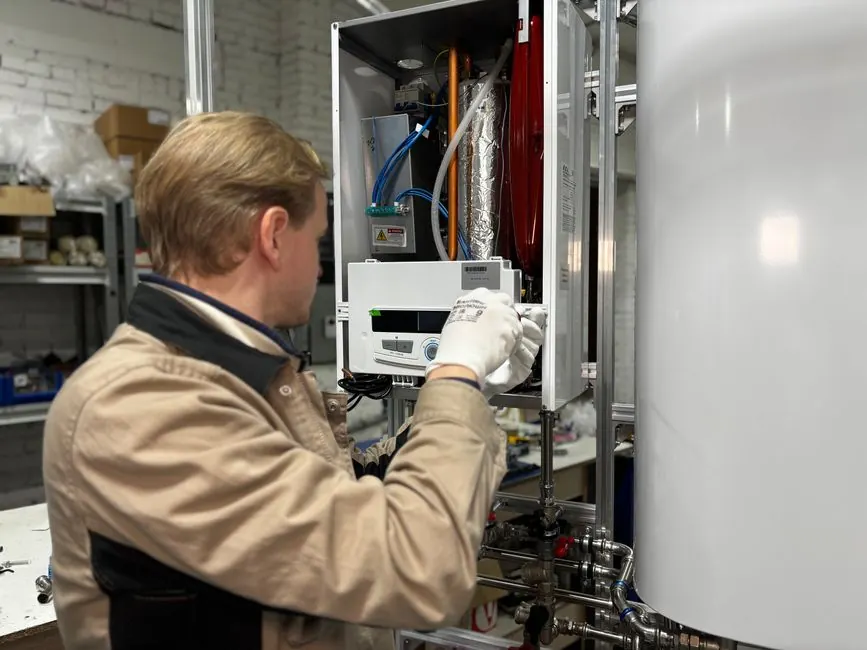
Bosch tankless models found in Lynnwood homes include the Therm and Greentherm gas lines, which use a modulating burner that adjusts its flame to demand. Common trouble points are familiar across the lines: ignition components wear, flame sensors foul, inlet water filters clog with sediment, and scale builds inside the heat exchanger — especially where water is hard. Condensing models add a condensate drain that can block and shut the unit down. On the electric side, Bosch mini-tanks are simple machines, but a failed element or a thermostat stuck open still leaves one sink cold while the rest of the house runs fine. Because these units are compact and often installed in tight cabinets, diagnosis rewards a technician who knows the layout rather than one who treats it like a full-size tank.
Good Bosch repair also respects the gas side of the job. A tankless unit draws far more gas at full fire than a storage tank, so an undersized gas line or a supply problem elsewhere in the house shows up first at the tankless unit. We verify gas pressure under load, check venting for blockage or improper slope on condensing models, and confirm combustion air is adequate. For gas water heater repair generally, and tankless units in particular, skipping those checks is how a new igniter gets fitted to a unit that was never getting enough gas. We also tell you honestly when a unit's heat exchanger is leaking or its controls are failing repeatedly: at that point, repair stops making sense, and we explain why in plain terms so you can decide with real information.