
Halls Lake
The neighborhood’s namesake — a small, quiet lake at the heart of this north Lynnwood pocket. Our technicians use it as the central reference point when routing calls through the surrounding streets.
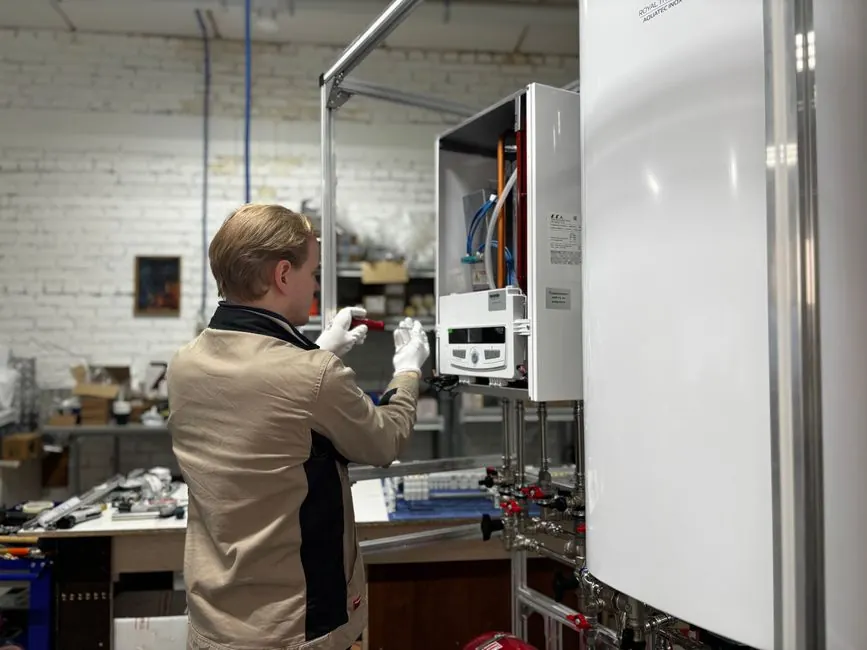
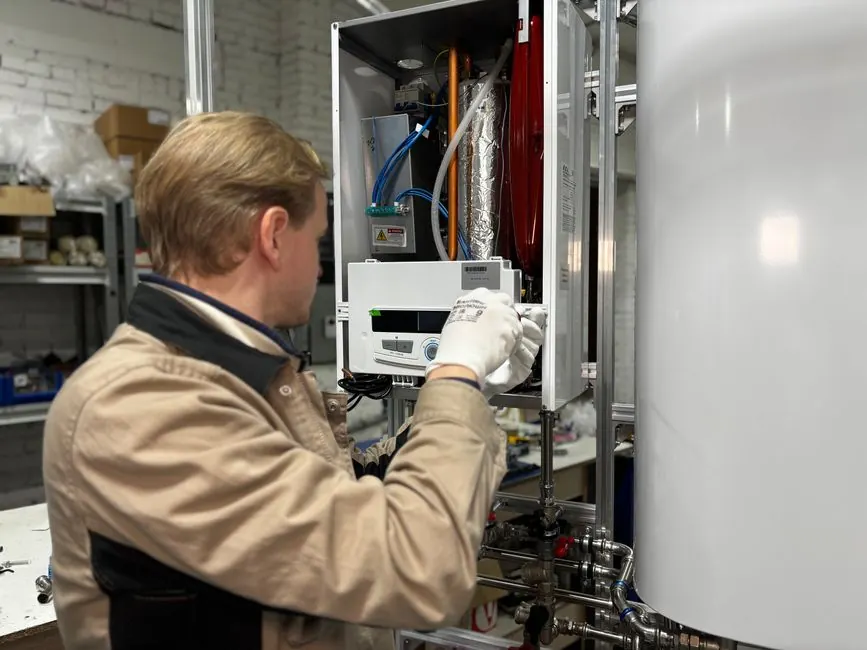
Most Halls Lake homes date to the 1970s and 80s, which means a large share of the neighborhood’s water heaters are operating well past their expected lifespan. These aren’t complicated failures — they’re the classics: spent anode rods, corroded tank bottoms, burned-out elements, and thermocouples that have lit their last pilot. The Heater Medics knows these units inside out: the common makes and models, the tight utility spaces they sit in, and exactly which components fail first. Book a same-day repair visit and we’ll give you a written diagnosis before any work begins.
Halls Lake’s aging housing stock keeps every one of these repair specialties busy. Here’s what we fix most often in the neighborhood.
Decades of continuous service leave predictable fingerprints on Halls Lake water heaters. These are the four failures we encounter most.
Original tanks from the neighborhood’s 1970s–80s builds are living on borrowed time. We look for the giveaways — rusty hot water, damp seams, and soft spots at the tank base — and give you an honest verdict on whether repair is still sensible.
Decades of mineral buildup insulate the tank bottom, forcing burners and elements to work overtime. The symptoms are classic: rumbling, popping, slow recovery, and climbing energy bills. A professional flush often buys a struggling tank more life.
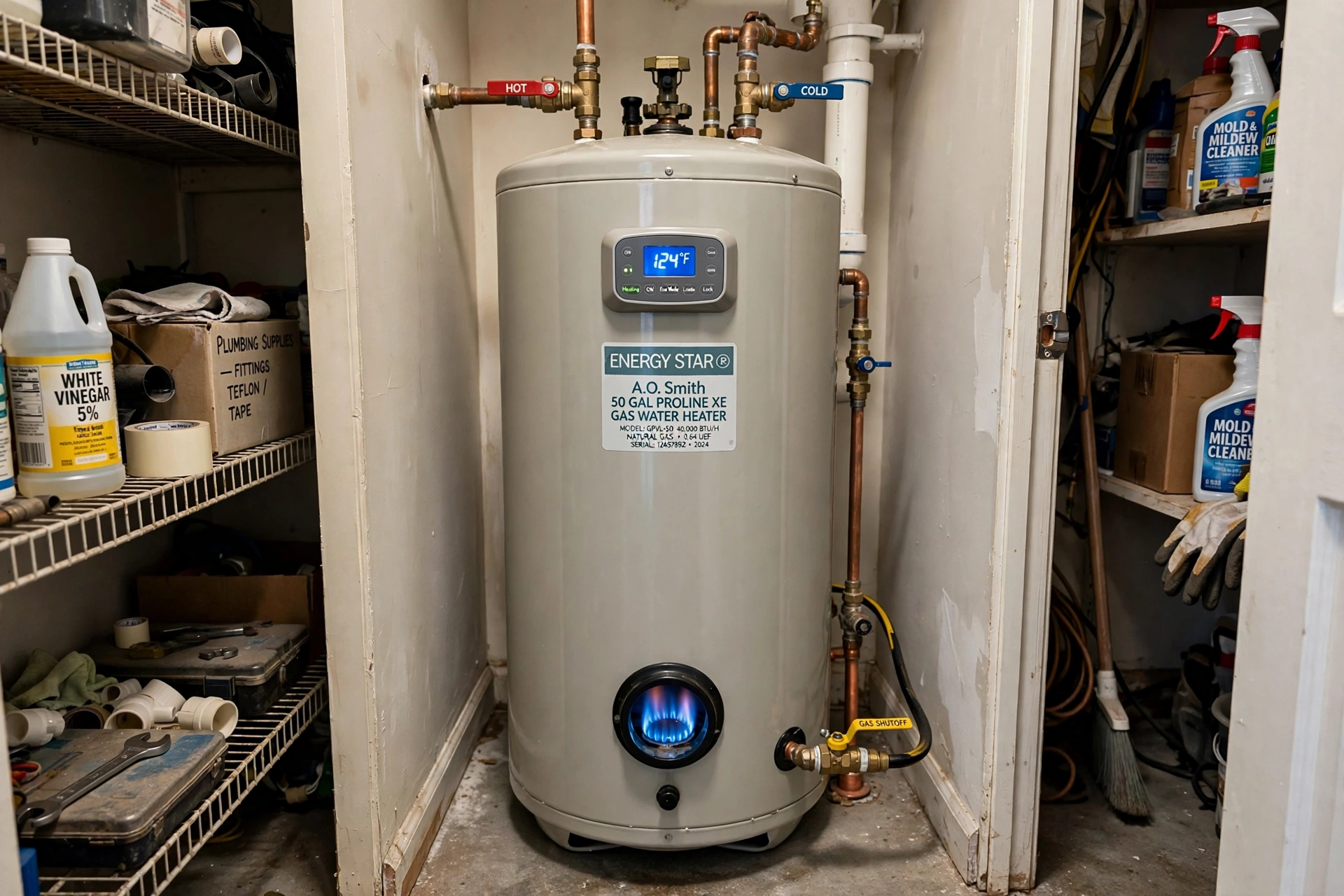
On the neighborhood’s older gas units, a pilot that won’t stay lit is the single most common no-hot-water call. Thermocouples and pilot assemblies wear out — replacing them is a fast, affordable repair.
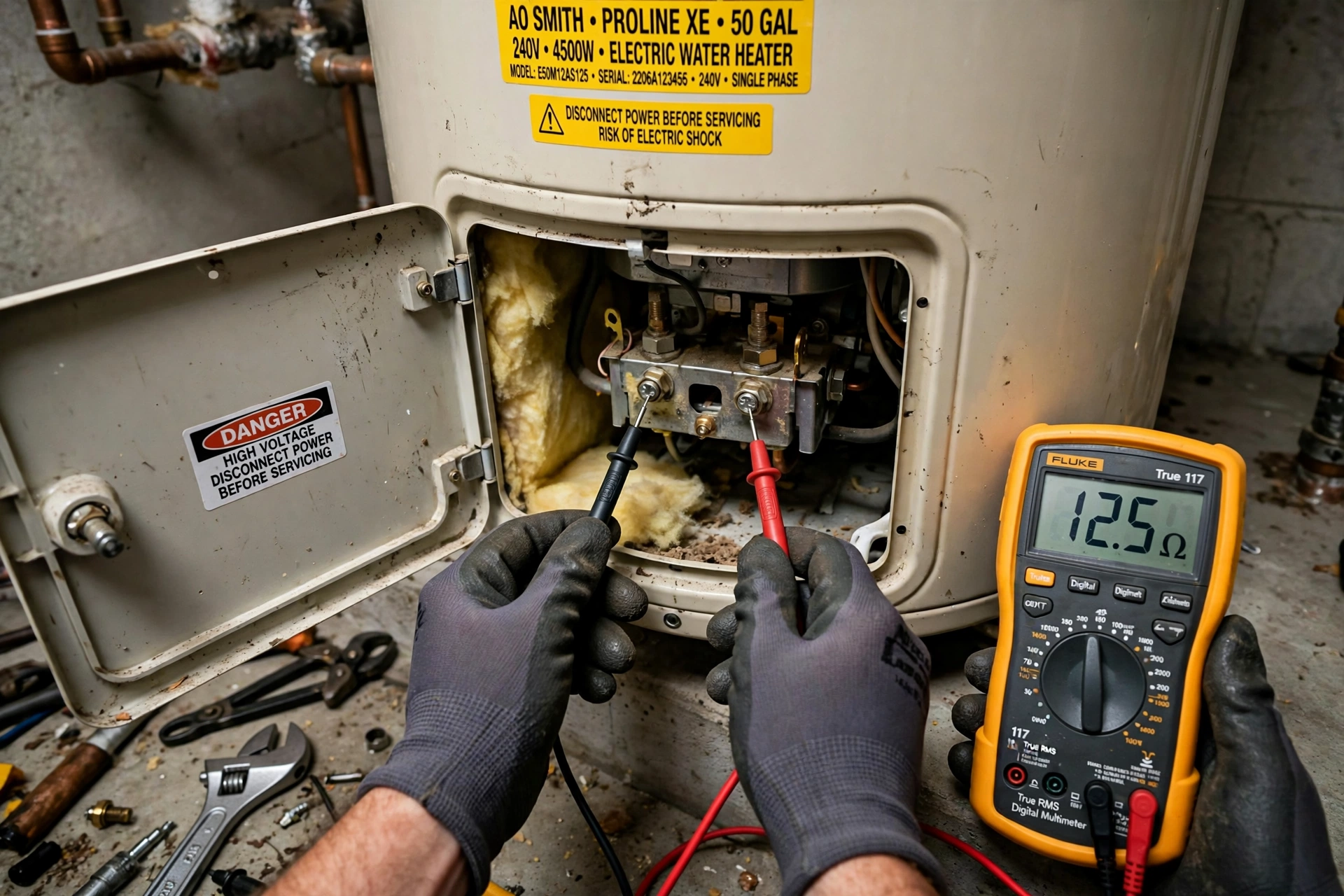
Electric tanks fail at the same points: burned-out lower elements and thermostats that drift out of calibration. We test both and replace only what’s actually failed — never a part you don’t need.
Halls Lake homeowners: these warning signs mean your water heater needs attention now — while a straightforward repair can still save it.
Rusty or discolored hot water
Rust at the tap is the classic sign of internal tank corrosion — the anode rod is long spent. Call before the corrosion reaches the tank wall; once a tank rusts through, repair is no longer an option.
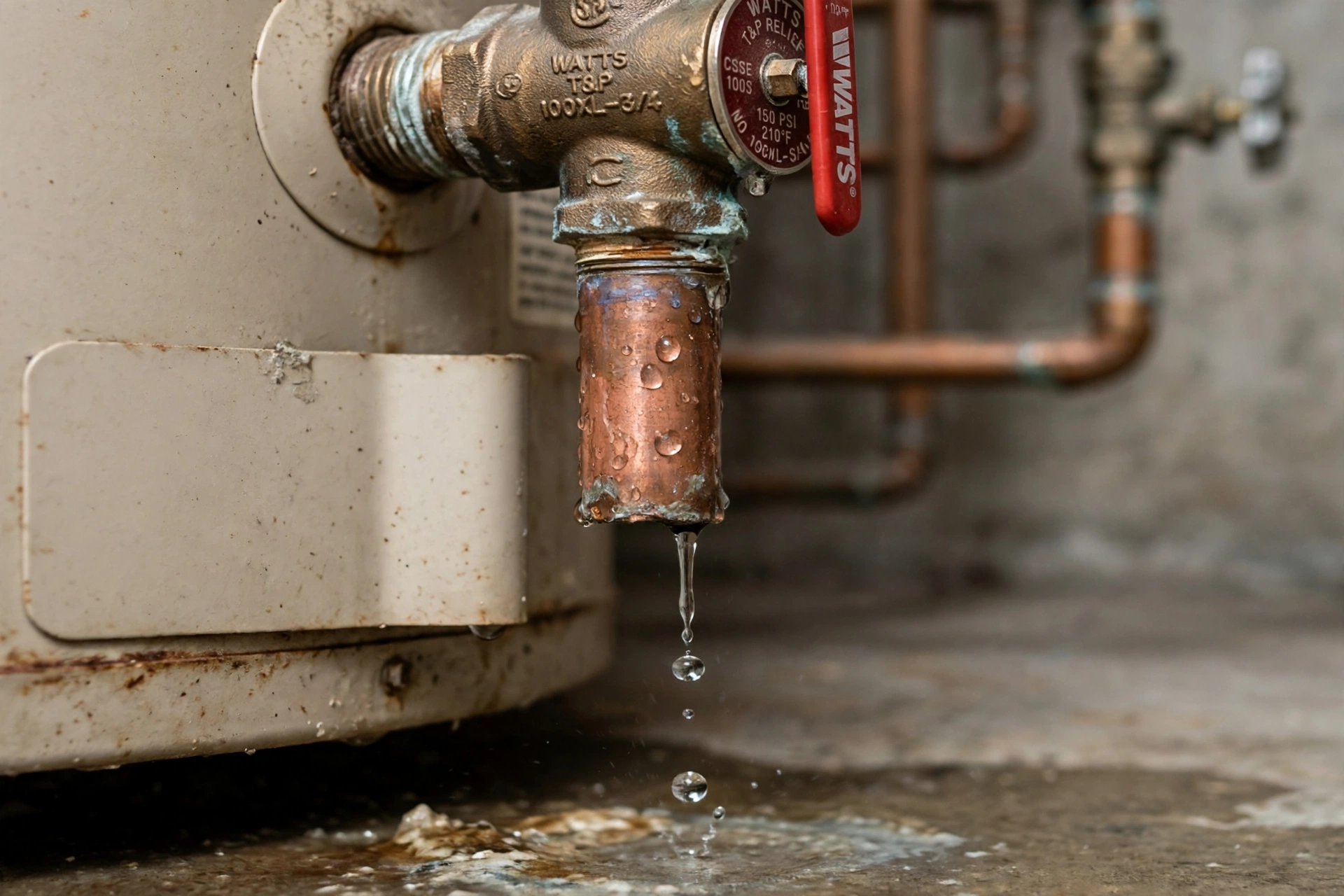
Water pooling around the base
Even a small puddle deserves immediate action. Shut off the water to the heater and call our 24/7 line — our emergency team treats active leaks as a priority.
Loud rumbling or popping
That kettling sound means sediment is boiling at the tank’s bottom, stressing the steel and wasting energy. A professional flush and inspection usually quiets it down.
Hot water runs out too quickly
Shrinking capacity points to sediment displacing water volume or a failed dip tube mixing cold water in too early. Both are repairable when the tank itself is sound.
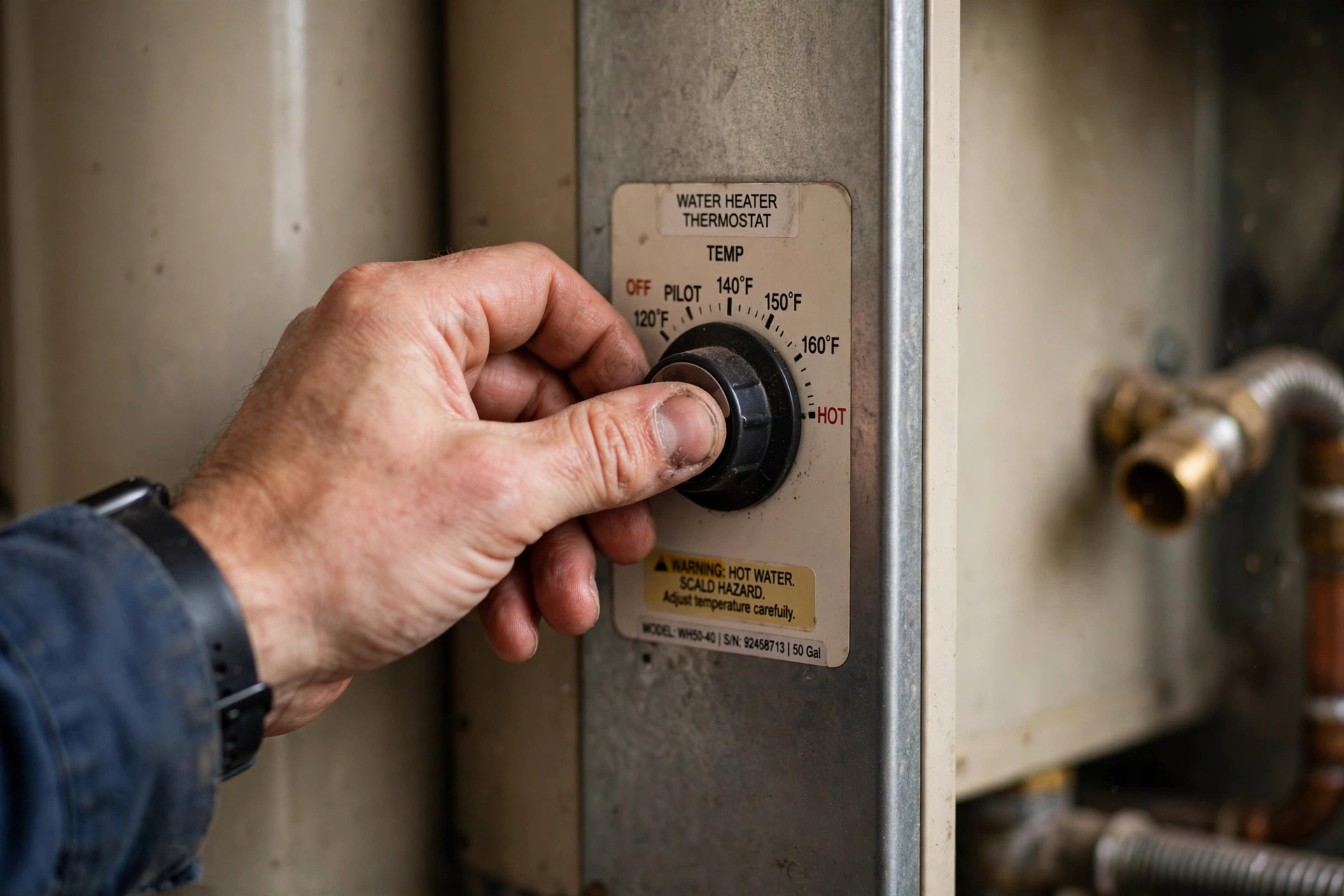
Inconsistent water temperature
Showers that swing from scalding to lukewarm usually trace to a failing thermostat or a sticking gas valve. We diagnose and repair these control faults the same visit.
These local reference points help our technicians find you fast and route same-day calls efficiently across the neighborhood.
The neighborhood’s namesake — a small, quiet lake at the heart of this north Lynnwood pocket. Our technicians use it as the central reference point when routing calls through the surrounding streets.
Halls Lake sits just off one of the region’s busiest interchanges, which keeps our dispatch times short across the whole north end. Fast routing means faster hot water for you.
Plus surrounding Lynnwood neighborhoods and Snohomish County, with same-day routing on most appointments.
Pacific Northwest weather stresses Halls Lake water heaters on a seasonal rhythm. Here’s what each season tends to bring.
Temperature swings make older control components work harder. Spring is when we see the most thermostat and element failures in Halls Lake’s aging units.
Tip: Units over 10 years old deserve a spring check before summer demand arrives.
More showers, more laundry, more guests — summer demand exposes weak recovery in marginal tanks. If hot water fades by the second shower, the unit is telling you something.
Tip: Lukewarm second showers are a repair signal, not a summer quirk.
Cooling nights return water heaters to full duty. Fall is the right time to check anode rods, T&P valves, and venting on the neighborhood’s older gas units.
Tip: A fall inspection is the cheapest insurance against a winter breakdown.
Cold snaps hit older Halls Lake systems hard, particularly units in unheated garages. Winter failures escalate quickly — a weeping fitting can become a serious leak overnight.
Tip: Keep garage units insulated and call at the first sign of trouble.
The Heater Medics serves Halls Lake and the nearby north Lynnwood neighborhoods — same local technicians, same same-day response.
Neighborhood
North Lynnwood homes around the lake — older tanks and newer builds our technicians know well.
View Lake StickneyNeighborhood
A mix of 1970s originals and newer builds around the lake.
View Martha LakeNeighborhood
Condos, townhomes, and retail corridor along I-5.
View North LynnwoodStraight answers from our technicians on the questions Halls Lake homeowners ask most before a repair.
For dependable water heater repair in Halls Lake, trust The Heater Medics. Our licensed technicians know this neighborhood’s aging systems and diagnose fast — so a simple repair stays simple. Call today for same-day service!
Need water heater repair in Halls Lake? Reach out any time — we’re available 24/7 and respond quickly to every call across north Lynnwood.
Call now for same-day service
Talk directly to a water heater pro — no waiting on hold. 24/7 emergency service available.
8665723596Phone
8665723596Address
2250 186th St SW #109, Lynnwood, WA 98037, USA
Hours
Mon–Fri: 7AM – 7PM
Sat: 8AM – 4PM
Sun: Emergency Only
24/7 Emergency Available