
The I-5 Corridor
Interstate 5 forms the eastern edge of Seattle Heights, and our technicians use the corridor as the main routing reference for calls across the neighborhood's residential streets.
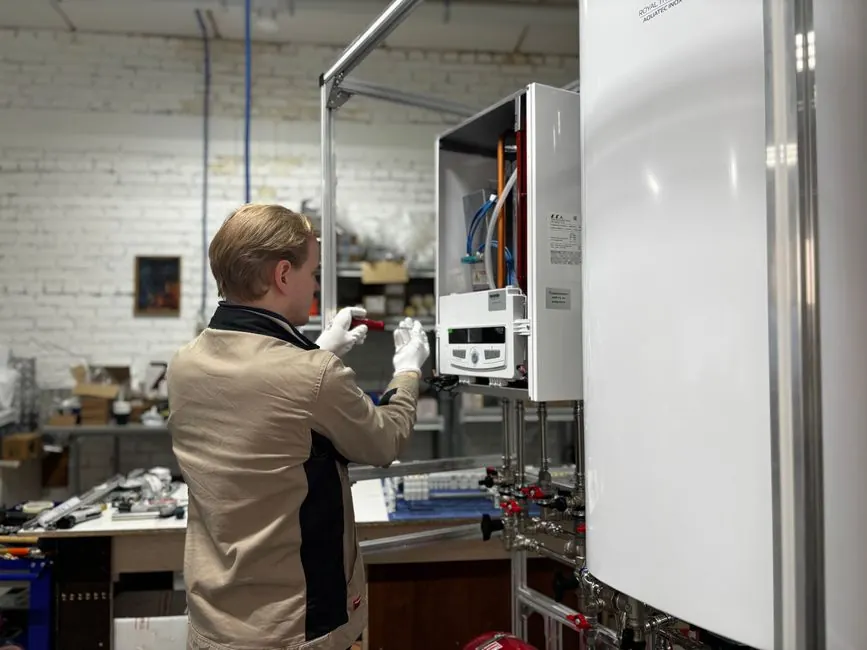
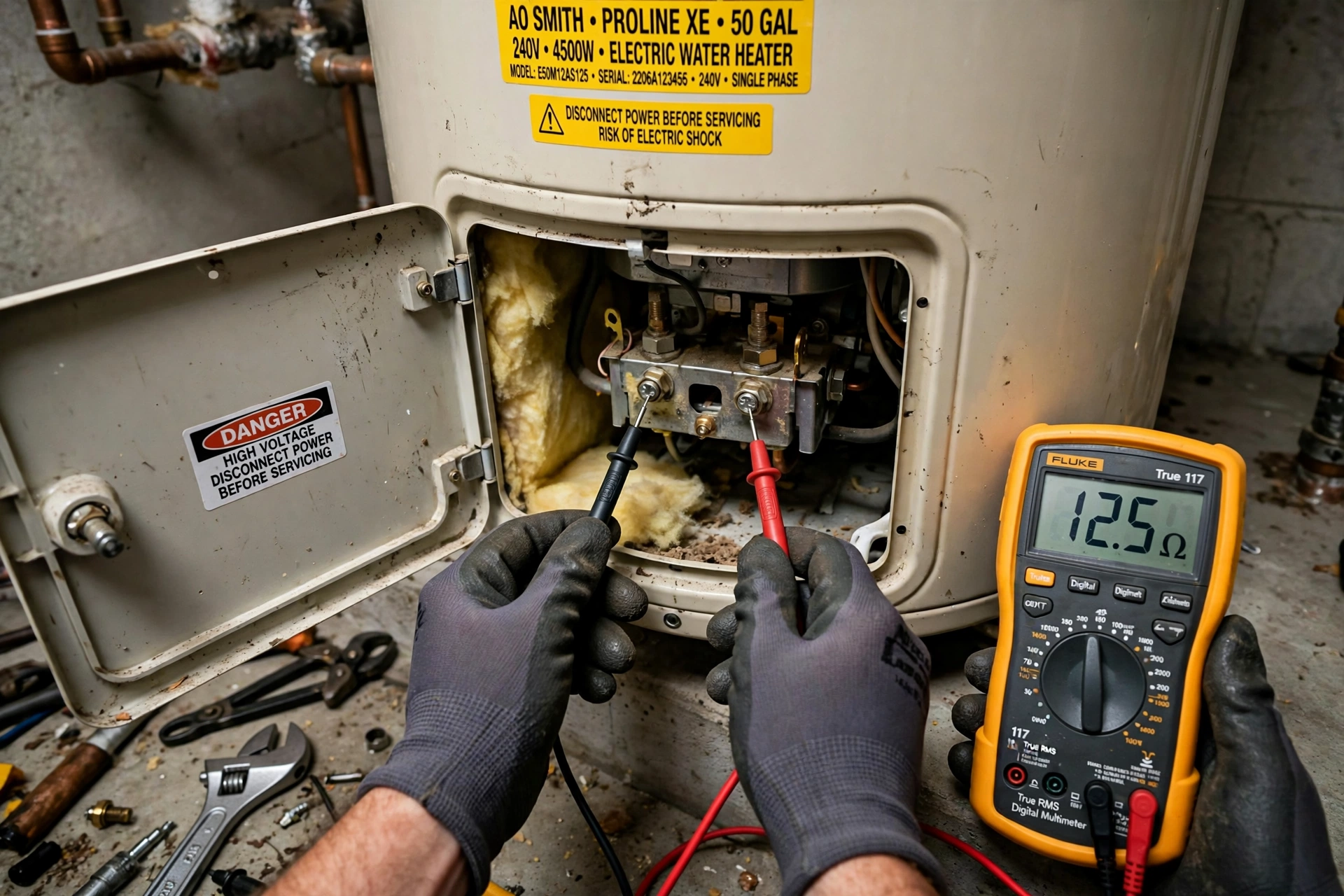
Seattle Heights grew street by street through the 1970s, 80s, and 90s, and its water heaters tell that story: original gas tanks from the first construction wave and early-2000s replacements now crossing the 20-year mark themselves. They fail in predictable ways — burned-out elements, weak thermocouples, sediment-packed tanks, spent anode rods, pinhole corrosion — and The Heater Medics has spent years fixing exactly this generation of equipment on Lynnwood's west side.
Seattle Heights' mix of original-build and replacement-era units keeps every one of these repair specialties in steady demand. Here's what we fix most often in the neighborhood.
Decades of service life leave predictable fingerprints. These are the failures we see most often in Seattle Heights homes.
Water heaters from the neighborhood's first construction wave are well past the age their manufacturers designed for. Many are still running — until they aren't. We look for the end-of-life warning signs: weeping seams, intermittent hot water, and rumbling burners.
The anode rod sacrifices itself so your tank doesn't rust. On Seattle Heights' older units it's almost always consumed, which is why tanks here fail faster than expected once they pass the two-decade mark.
Decades of mineral sediment insulate the bottom of the tank, making burners run longer and elements overheat. The symptoms are unmistakable: rumbling, popping, and water heaters that eat more energy than they should.
Weak thermocouples, tired gas valves, and corroded venting are the classic failure points on older gas units. They're also safety issues, which is why every gas call from Seattle Heights gets a full combustion and venting check.
Seattle Heights homeowners: catch these early and a simple repair stays simple. Wait, and you're looking at water damage or a dead unit.
Rusty or metallic-tasting hot water
In a neighborhood of aging tanks, discolored hot water almost always means internal corrosion. Don't wait — once a tank rusts through, repair is off the table.
Water pooling around the base
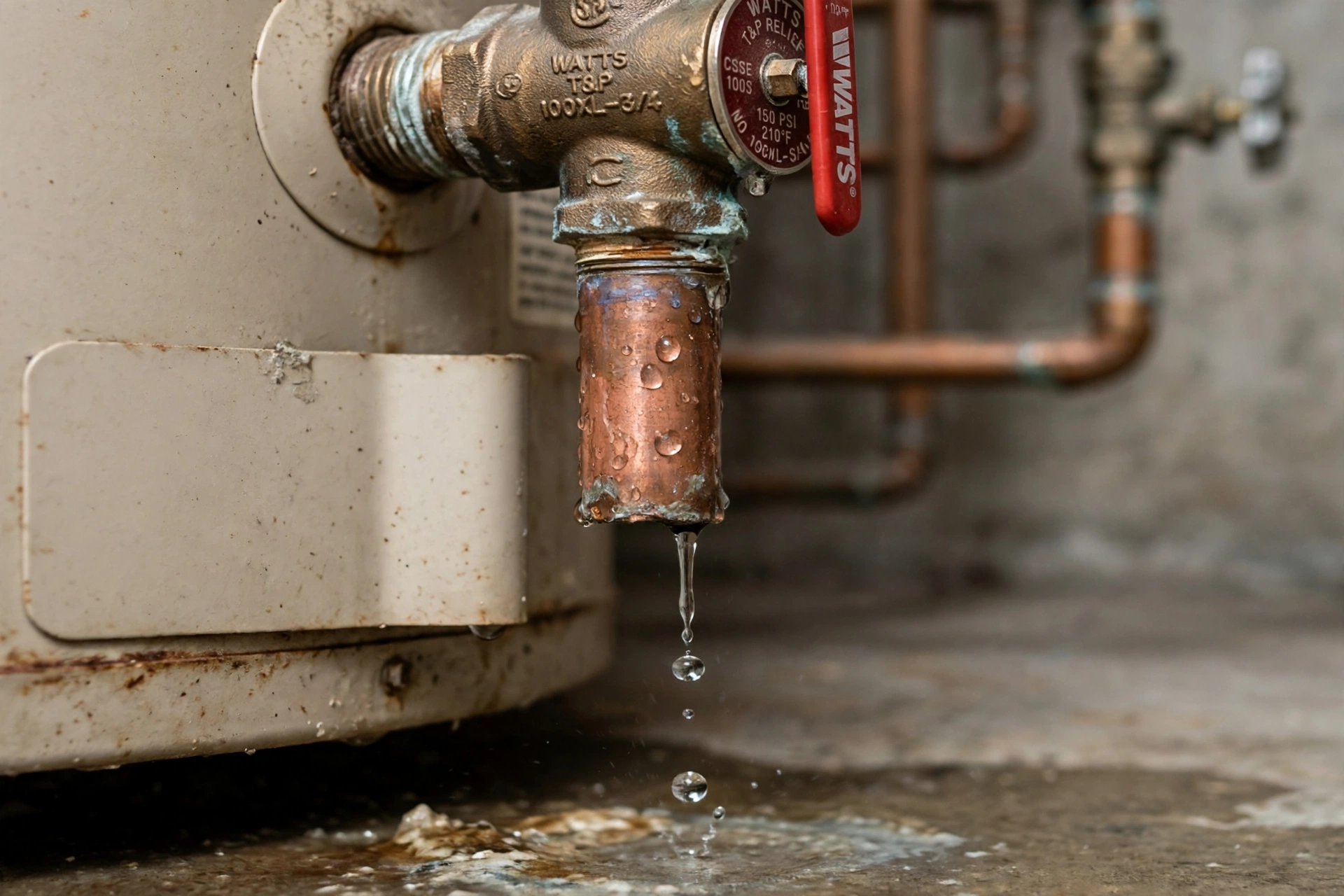
Even a small puddle under a decades-old Seattle Heights tank deserves immediate attention. Shut the water off and call us any time, day or night.
Rumbling or popping noises
That kettling sound is sediment boiling at the bottom of the tank. It stresses the tank walls and shortens whatever life the unit has left.
Hot water runs out faster than it used to
Sediment displaces usable water volume, and a failing dip tube mixes cold water in early. Both are repairable if the tank itself is sound.
Pilot light won't stay lit
On Seattle Heights' older gas units, this usually points to a thermocouple or gas valve issue — a same-day fix in most cases.
Getting around Seattle Heights is straightforward thanks to well-known landmarks. Our technicians use these reference points when routing service calls.
Interstate 5 forms the eastern edge of Seattle Heights, and our technicians use the corridor as the main routing reference for calls across the neighborhood's residential streets.
Just east of I-5, Alderwood Mall is the commercial landmark our technicians use when planning service routes through Seattle Heights and the surrounding west-side neighborhoods.
Plus surrounding Snohomish County neighborhoods, with same-day routing on most appointments.
Puget Sound weather shapes water heater failures in Seattle Heights. Here's what each season tends to bring.
Mild days and cold nights make Seattle Heights water heaters cycle more often — and hard cycling is what finishes off worn thermostats and elements in older units. Spring is our busiest season for those two repairs.
Tip: Hearing the burner kick on more often than last year? A spring diagnostic can pinpoint the weak part before it fails outright.
Summer brings more showers, more laundry, and more demand — exactly when marginal tanks with weak recovery times start showing it. Lukewarm water by the second shower is the classic summer tell.
Tip: If the second shower runs lukewarm, that's a repair signal — not just summer. Call before it turns into a no-hot-water emergency.
Cooling nights push water heaters to work harder, and Seattle Heights' older units feel it first. We recommend a pre-winter look at anode rods, T&P valves, and venting on gas units.
Tip: A fall check-up costs far less than a mid-winter emergency call — it's the best value in water heater care.
Cold snaps strain older Seattle Heights systems, especially units in unheated garages and crawlspaces where drafts keep ambient temperatures low. Failed burners and frozen supply lines are the classic winter pair.
Tip: Insulate any exposed hot-water lines and call at the first sign of trouble — winter failures escalate fast.
The Heater Medics serves Seattle Heights plus these nearby Lynnwood neighborhoods — same technicians, same same-day response.
Neighborhood
The lakeside neighborhood around Scriber Lake Park, with older single-family homes our technicians know well.
View Scriber LakeNeighborhood
Established neighborhoods with aging systems our technicians know well.
View MeadowdaleNeighborhood
A mix of 1970s originals and newer builds around the lake.
View Martha LakeReal answers from our team for the questions we hear most often before a job starts.
For top-quality water heater repair in Seattle Heights, trust The Heater Medics. Our technicians know these west-side homes and their aging systems. Contact us today for immediate help!
For reliable water heater repair services in Lynnwood, reach out to us. We are available 24/7 for your convenience and respond quickly to all inquiries.
Call now for same-day service
Talk directly to a water heater pro — no waiting on hold. 24/7 emergency service available.
8665723596Phone
8665723596Address
2250 186th St SW #109, Lynnwood, WA 98037, USA
Hours
Mon–Fri: 7AM – 7PM
Sat: 8AM – 4PM
Sun: Emergency Only
24/7 Emergency Available